How to Save Money on Groceries Without Sacrificing Quality
By KHARIVO | Smart Shopping Guide
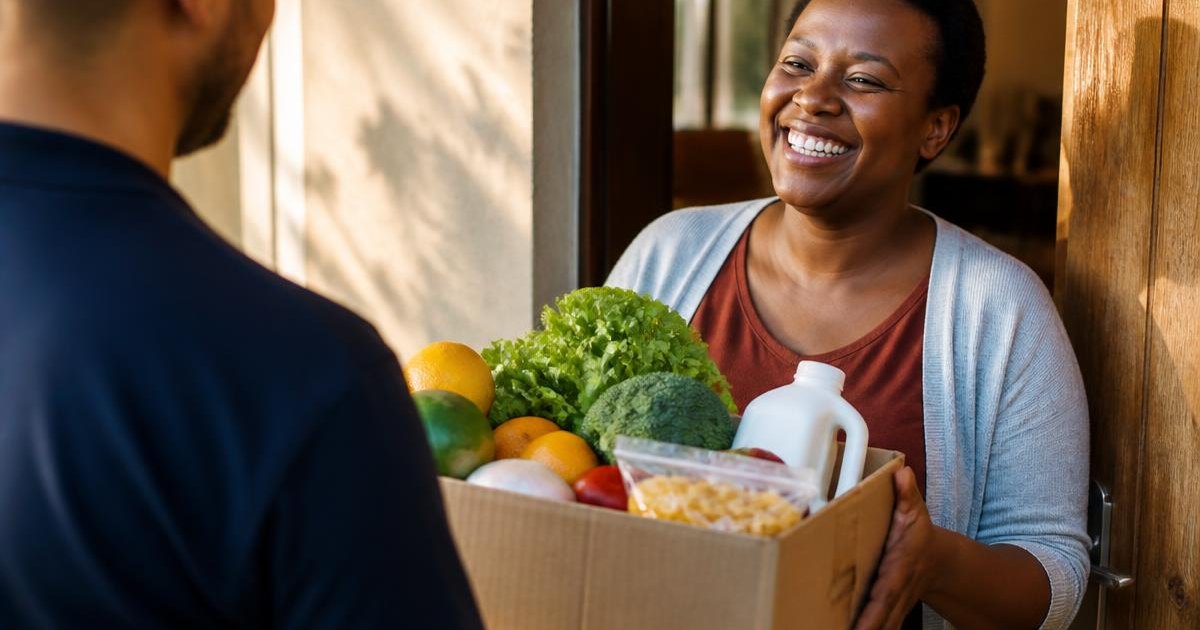
Grocery shopping can get expensive quickly.
You go into the shop planning to spend a certain amount, pick up a few things you need, and somehow the total is much higher than you expected.
The good news is that saving money on groceries doesn't mean you have to buy poor-quality products or stop buying the brands you trust.
Sometimes, it simply comes down to having a better plan before you shop.
Here are a few simple things you can do to make your grocery budget go further.
1. Know What You Already Have at Home
Before you head to the shops, take a quick look through your cupboards, fridge and freezer.
There is no point buying another bag of rice when you already have one sitting at home.
Make a list of the things you've actually run out of or will need soon.
Your list might include things like:
- Maize meal
- Rice
- Cooking oil
- Sugar
- Flour
- Eggs
- Canned foods
- Washing powder
- Dishwashing liquid
- Toilet paper
A simple list can make a big difference because it keeps you focused on what you came to buy.
2. Decide How Much You Can Spend
It helps to decide on your grocery budget before you start shopping.
If you have R1,000 available for groceries, for example, start with that number and work around it.
Think about the things your household needs most and make sure those are covered first.
You can then see how much is left for everything else.
This is much easier than filling your trolley first and worrying about the total when you get to the till.
3. Look at the Pack Size, Not Just the Price
A product that costs less isn't necessarily the better deal.
For example, you might see a smaller bag of rice for R40 and a larger one for R80.
The R40 option is cheaper at the till, but if you use rice regularly, the larger pack may give you better value for your money.
When comparing products, look at the price, the quantity you're getting and how quickly your household will use it.
The cheapest option isn't always the best value.
4. Buy the Essentials First
When your grocery budget is limited, start with the things you know your household needs.
For many households, that could mean products like maize meal, rice, cooking oil, sugar, eggs and canned foods.
Get those essentials sorted first.
Once you've covered the basics, you can see what is left in your budget and decide what else you can afford.
This helps prevent those smaller purchases from eating into the money you needed for your main groceries.
5. Be Careful With Specials
Everyone loves a good special, but a special isn't really saving you money if you didn't need the product in the first place.
Before picking something up because it's on promotion, ask yourself:
“Would I have bought this if it wasn't on special?”
If the answer is no, you might be better off leaving it.
Instead, look out for specials on the products you already buy regularly.
That's where promotions can really help your grocery budget.
6. Plan Your Regular Groceries
If you find yourself buying the same essentials every month, it can help to have a basic grocery plan.
You already know that your household needs certain things regularly, so why start from scratch every time?
Having a regular list makes it easier to budget, remember what you need and avoid unnecessary trips to the shops.
It can also make grocery shopping feel much less stressful.
This is one of the reasons grocery hampers can be useful.
Instead of figuring out every item from the beginning, you can start with a selection of everyday essentials and add anything else your household needs.
7. Saving Money Doesn't Mean Buying the Cheapest Product
It's easy to think that saving money means always choosing the cheapest option.
But that's not necessarily true.
If there is a brand your household knows and trusts, and it fits within your budget, there can be value in sticking with it.
Your grocery budget isn't just about getting the lowest possible price.
It's about finding the right balance between price, quality, quantity and what your household actually needs.
8. Find a Shopping Routine That Works for You
Every household is different.
Someone living alone won't shop in the same way as a family of four or a larger household.
Think about how many people you're shopping for, what you use most often and how much you can comfortably spend each month.
Once you understand your own shopping habits, it becomes much easier to plan.
And when you have a plan, you're less likely to find yourself standing in the supermarket wondering how your trolley became so expensive.
A Simpler Way to Shop
At KHARIVO, we know that grocery shopping is something you have to do every month.
Our aim is to make that part of life a little simpler.
We put together grocery hampers containing everyday essentials in different sizes, so you can choose an option that makes sense for your household.
You can place your order online and have your groceries delivered within our delivery areas.
No unnecessary fuss. Just everyday essentials, packed together and delivered to you.
Trusted Brands. Great Value. Delivered.
Ready to make your next grocery shop a little easier?